4
The Nominative Case
Who / What is it?
© activerussian.com
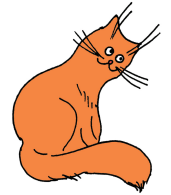
Кто это?
Who is it?
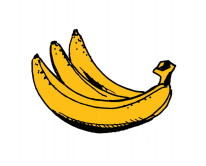
Что это?
What is it?

Have you noticed that Russian statements have just 2 words where English ones have 4?
Now it’s mathematically proven that Russian is twice easier than English. But really, what happens here? Russian has no articles, and the verb «to be» is not used in the present tense. Enjoy!

It is even easier to make general questions: you just raise intonation on the main word. There are no special extra words, they look like normal statements, apart from having a question mark. In the answer intonation, on the contrary, goes down.
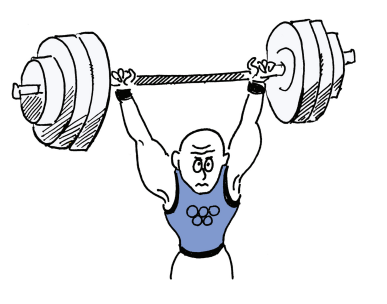
– Э́то мужчи́на?
– Нет, э́то не мужчи́на.
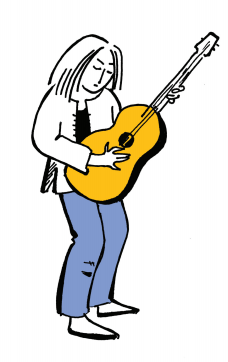
– Э́то же́нщина?
– Да, э́то же́нщина!

– Э́то фотогра́фия?
– Нет, э́то не фотогра́фия.
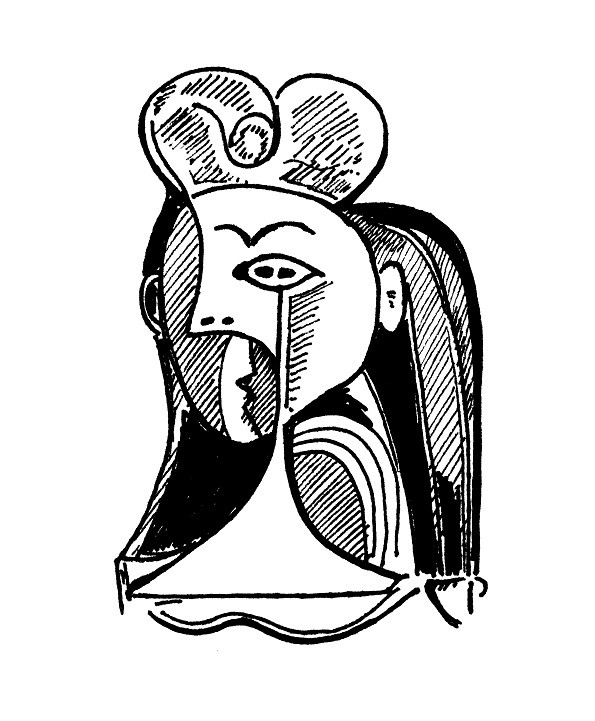
– Э́то карти́на?
– Да, э́то карти́на.

As you can see, full negative answers contain 2 negative particles: НЕТ and НЕ. For the moment let’s say that НЕТ is used in the beginning of the negative answer and means negation of the entire sentence, while НЕ stands right before the word that is negated (a noun, a verb, etc.).